Follow Me On Social Media!

Brioche Bread Bliss: Easy Recipe for Fluffy, Homemade Perfection

Introduction to Brioche Bread
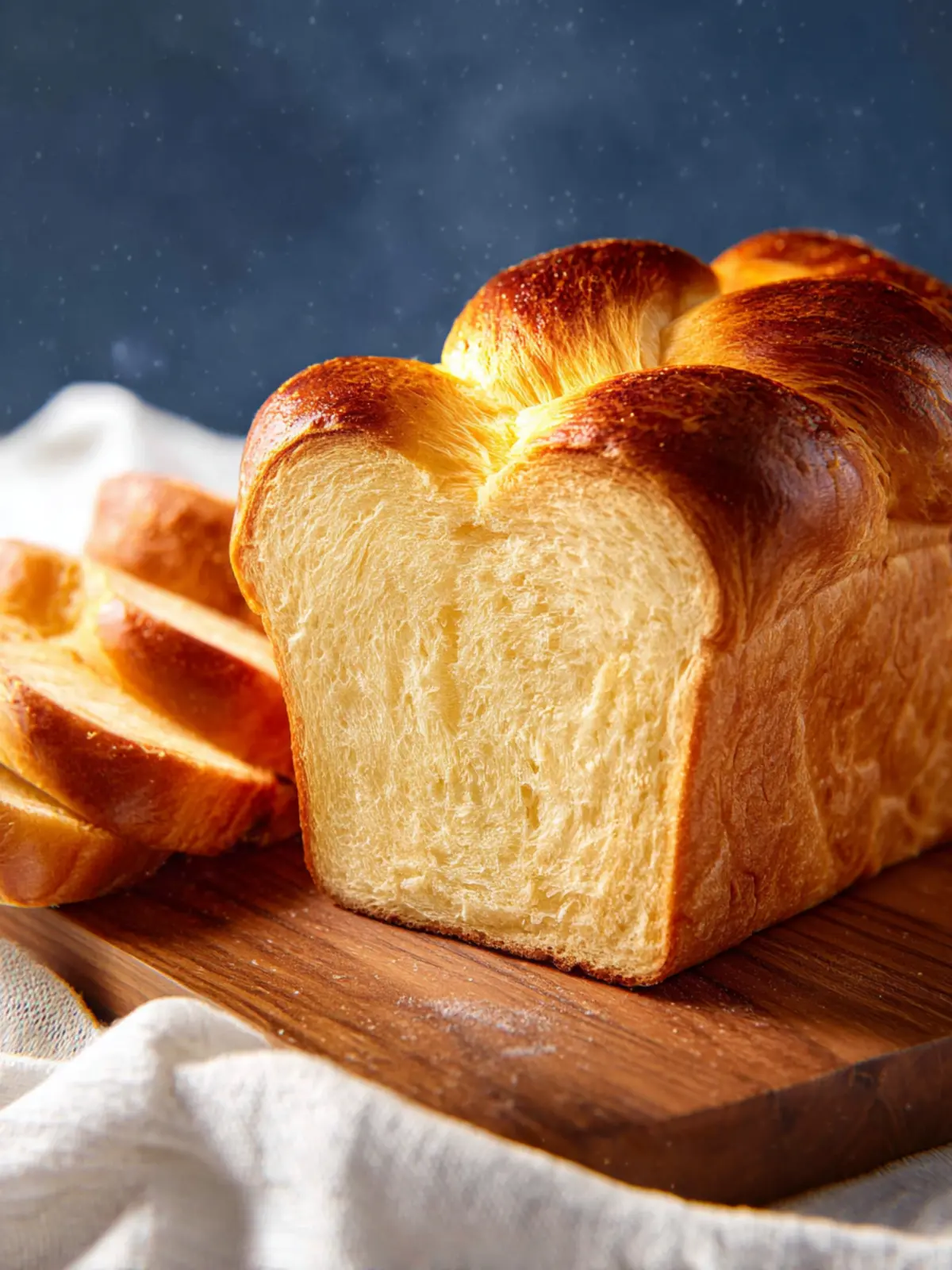
Brioche bread is more than just a delicious baked good; it’s a luxurious staple that transforms any meal into an occasion. Imagine a loaf that effortlessly marries a soft, pillowy texture with a subtly sweet flavor, making it as perfect for breakfast with butter and jam as it is for a gourmet sandwich. Originating from France, brioche is often referred to as the “queen of bread,” and for good reason—its rich, buttery goodness elevates even the simplest of dishes.
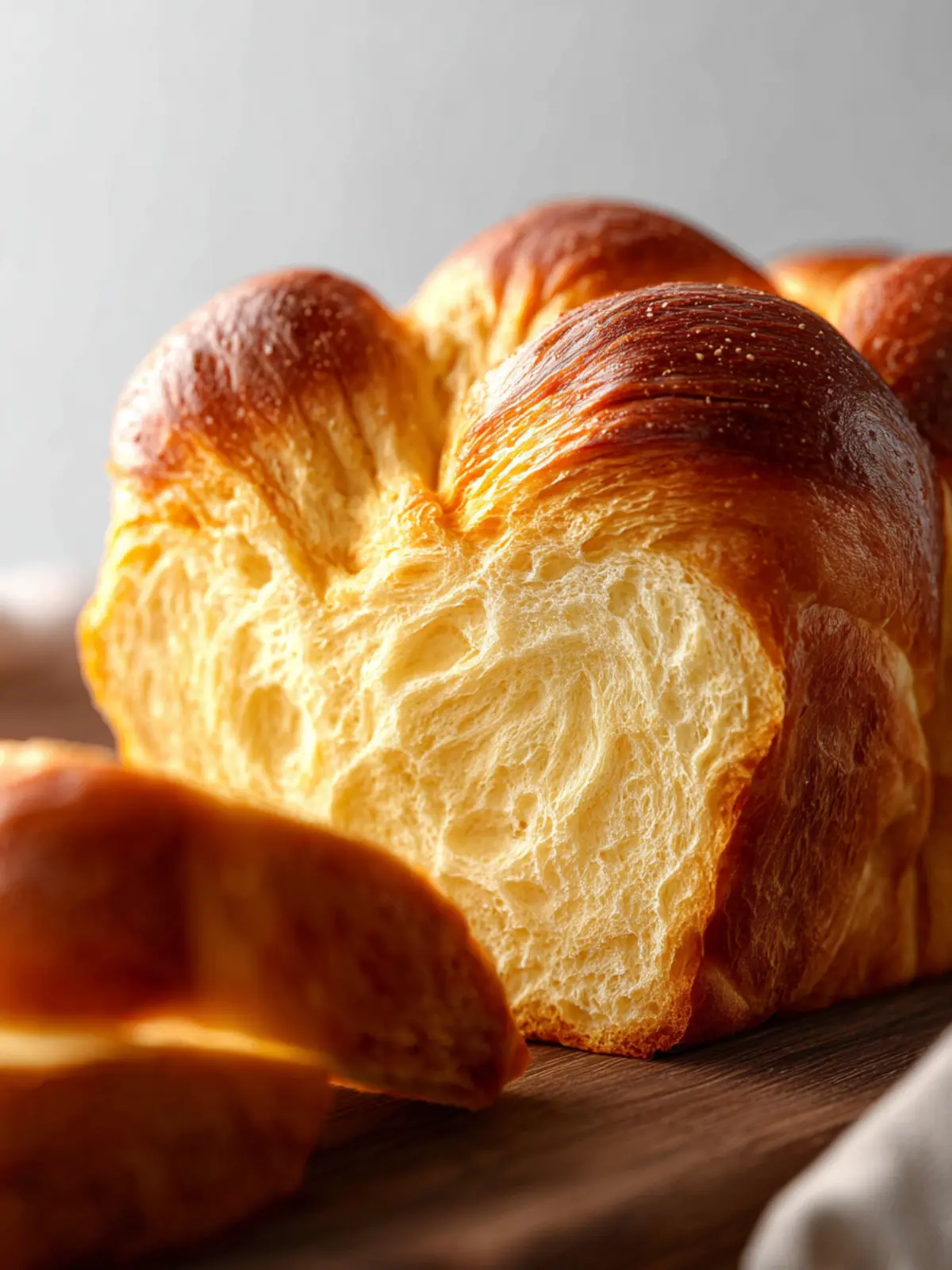
What makes brioche bread so special? It’s all in the ingredients and the method. The bread’s enchanting richness comes from the generous use of eggs and butter, creating a tender crumb that practically melts in your mouth. The smooth texture and golden hue not only catch the eye but also invite you to savor each bite. And, let’s be honest—there’s something magical about pulling a freshly baked loaf out of the oven, the aroma wafting through your kitchen and welcoming all who enter.
What Makes Brioche Bread So Special?
-
Flavorful Ingredients: The fundamental flavors of brioche come from high-quality butter, eggs, and sugar. Each of these ingredients plays a crucial role in creating that unforgettable taste. A good brioche should be sweet yet balanced, perfect for both sweet and savory toppings.
-
Versatile Uses: Brioche is incredibly versatile. You can serve it up toasted with butter, use it for decadent French toast, or incorporate it into your favorite sandwich for a luxurious twist. Imagine a classic grilled cheese but with your homemade brioche—heavenly!
-
Artisan Touch: Crafting brioche is an art form, demanding patience and attention to detail. The process of kneading and folding dough develops the gluten structure, allowing the bread to rise beautifully and achieve that signature airy texture.
Experimenting with brioche bread isn’t just about baking; it’s about creating memories. Whether you share it with loved ones or enjoy a quiet morning with a slice, this bread is sure to become a beloved addition to your culinary repertoire. So, let’s roll up our sleeves and dive into the delightful world of brioche!
Key Ingredients for Brioche Bread
Creating the perfect brioche bread is like weaving a tapestry of flavors and textures, each ingredient contributing its own unique story. Here’s a closer look at the key players in this delightful recipe.
Flour: Bread flour is my go-to for this recipe. Its higher protein content gives the brioche that beautiful structure and chewy bite. If you’re in a pinch, all-purpose flour will work too, but the texture may vary slightly.
Butter: I use a generous amount of high-quality unsalted butter, which is melted and then whisked into the dough. This step is crucial to achieving that rich, buttery flavor and velvety crumb that brioche bread is famous for.
Eggs: Eggs are the heart of brioche, providing not just moisture but also richness. I recommend using large eggs for the best outcome, and don’t skip the egg wash—it gives the bread a golden, glossy finish.
Yeast: Active dry yeast is essential for the perfect rise. Be sure to activate it properly by pairing it with warm milk and sugar, allowing the yeast to bloom before incorporating it into the dough.
Sugar: I use granulated sugar, which adds a touch of sweetness and helps with browning the crust. You’ll be pleased at how it enhances the overall flavor profile.
Salt: Don’t underestimate salt in this recipe—it enhances sweetness and balances the richness, resulting in a delightful flavor.
With these ingredients combined correctly, your brioche bread will rise beautifully, filling your kitchen with an irresistible aroma. Enjoy the baking journey!
Why You’ll Love This Brioche Bread
Baking your own brioche bread isn’t just a culinary project; it’s a delicious journey that envelops your kitchen in buttery warmth and the sweet scent of dough. Picture this: the moment you pull a freshly baked loaf from the oven, its golden crust gleaming and steam gently escaping. It’s not just the taste but the entire experience that makes this bread a cherished addition to your baking repertoire.
Irresistibly Soft and Fluffy
One of the standout features of brioche bread is its incredible softness. This bread is rich, airy, and has a melt-in-your-mouth quality that’s unparalleled. Whether slathered in butter for breakfast or used as the base for a decadent French toast, each bite feels indulgent.
Perfect for Any Occasion
Versatile and elegant, brioche bread suits any occasion. You can serve it as the centerpiece of a brunch spread or as the foundation for gourmet sandwiches. It elevates everything from everyday meals to special celebrations effortlessly.
Family-Friendly Fun
Making brioche bread is also a fantastic way to spend time in the kitchen with loved ones. Kneading the dough and watching it rise creates moments of joy and connection, and, let’s be honest, there’s nothing quite like the satisfaction of sharing something homemade with family and friends.
In short, when you bake this brioche bread, you’re not just making a loaf; you’re crafting moments and memories that linger long after the last slice is gone.
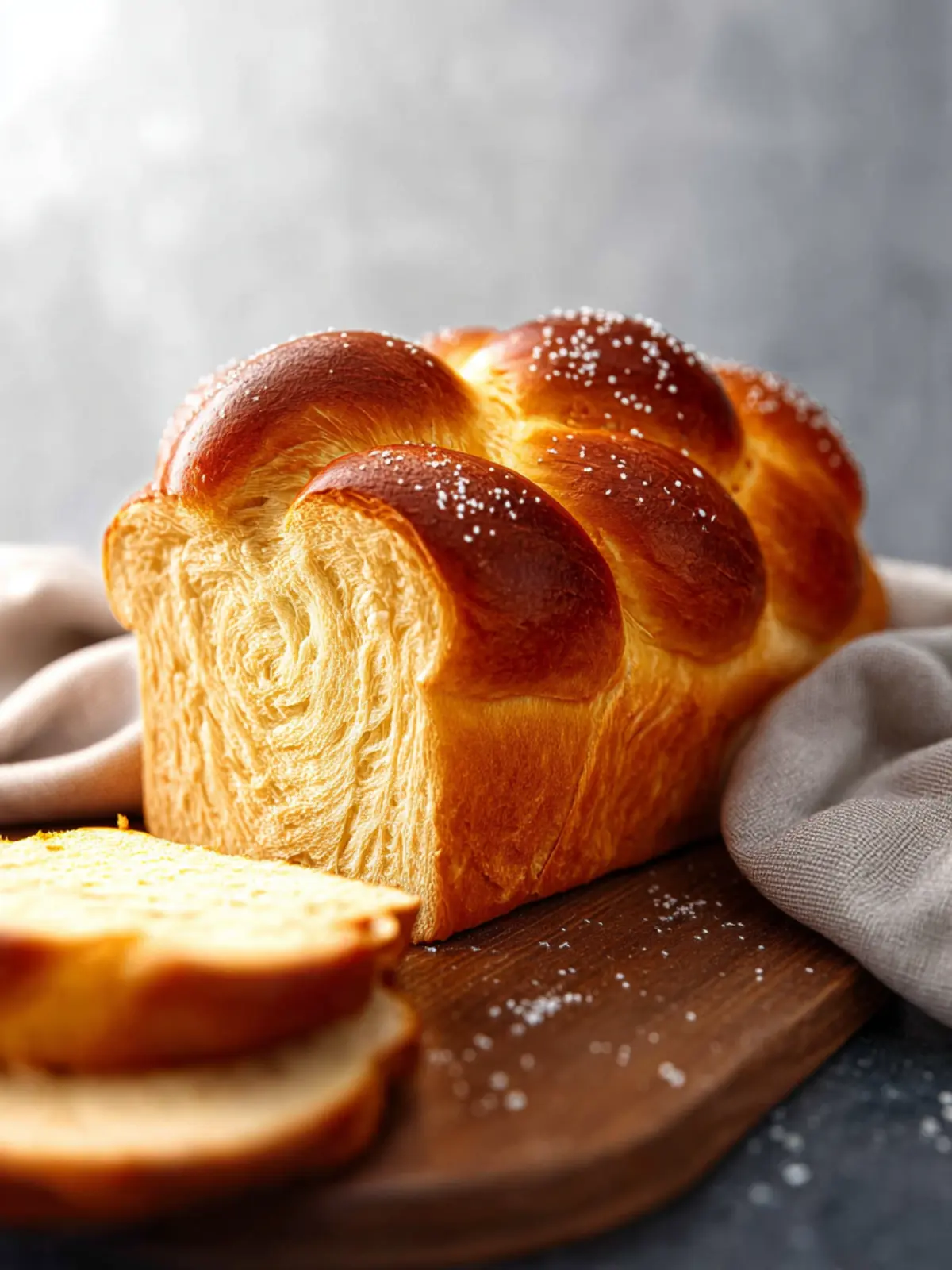
Tips for Making Perfect Brioche Bread
Creating brioche bread is not just baking; it’s an enchanting journey through textures and flavors that transforms simple ingredients into something truly spectacular. Here are some tips to ensure your brioche comes out perfectly every time.
Use the Right Flour
Choosing the right flour can make a significant difference in the texture of your brioche bread. Opt for bread flour rather than all-purpose flour. Bread flour has a higher protein content, which helps create that beautiful, airy structure we all love in brioche.
Temperature is Key
Keep in mind that both your ingredients and environment matter. Using room temperature butter and eggs will make mixing easier and enhance the dough’s ability to rise. Warm environments allow the yeast to work its magic, but avoid overheating, as it may affect the yeast’s effectiveness.
Knead with Care
Kneading is essential for developing gluten, which provides the bread its structure. Aim for a smooth and elastic dough by kneading for about 10-15 minutes. If you’re using a stand mixer, be cautious not to overwork it—you want just the right balance.
Patience Pays Off
Allow your dough to rise adequately. The first rise should take about 1-2 hours until it doubles in size, and the second rise, after shaping, can be shorter—around 30-60 minutes. Proper resting time allows the flavors to deepen and enhances the texture.
By following these tips, your brioche bread is sure to turn out deliciously soft and rich, perfect for toast, sandwiches, or even on its own!
Time Details for Brioche Bread
Baking brioche bread is an art, and understanding the timing is key to creating that perfect, buttery loaf. Here’s how your day will unfold:
Preparation time
Gathering your ingredients and mixing the dough will take about 20–30 minutes. This is your chance to enjoy the process, letting the aroma of butter and yeast fill your kitchen.
Rising time
Once mixed, let your dough rise for about 1.5 to 2 hours. This step is crucial, as the yeast works its magic, making the bread light and fluffy.
Baking time
The actual baking will take around 30–35 minutes. The anticipation builds as your brioche turns golden brown in the oven!
Total time
From start to finish, you’re looking at approximately 3 to 3.5 hours. While it may seem like a long commitment, the delightful results are worth every minute in the kitchen. Enjoy!
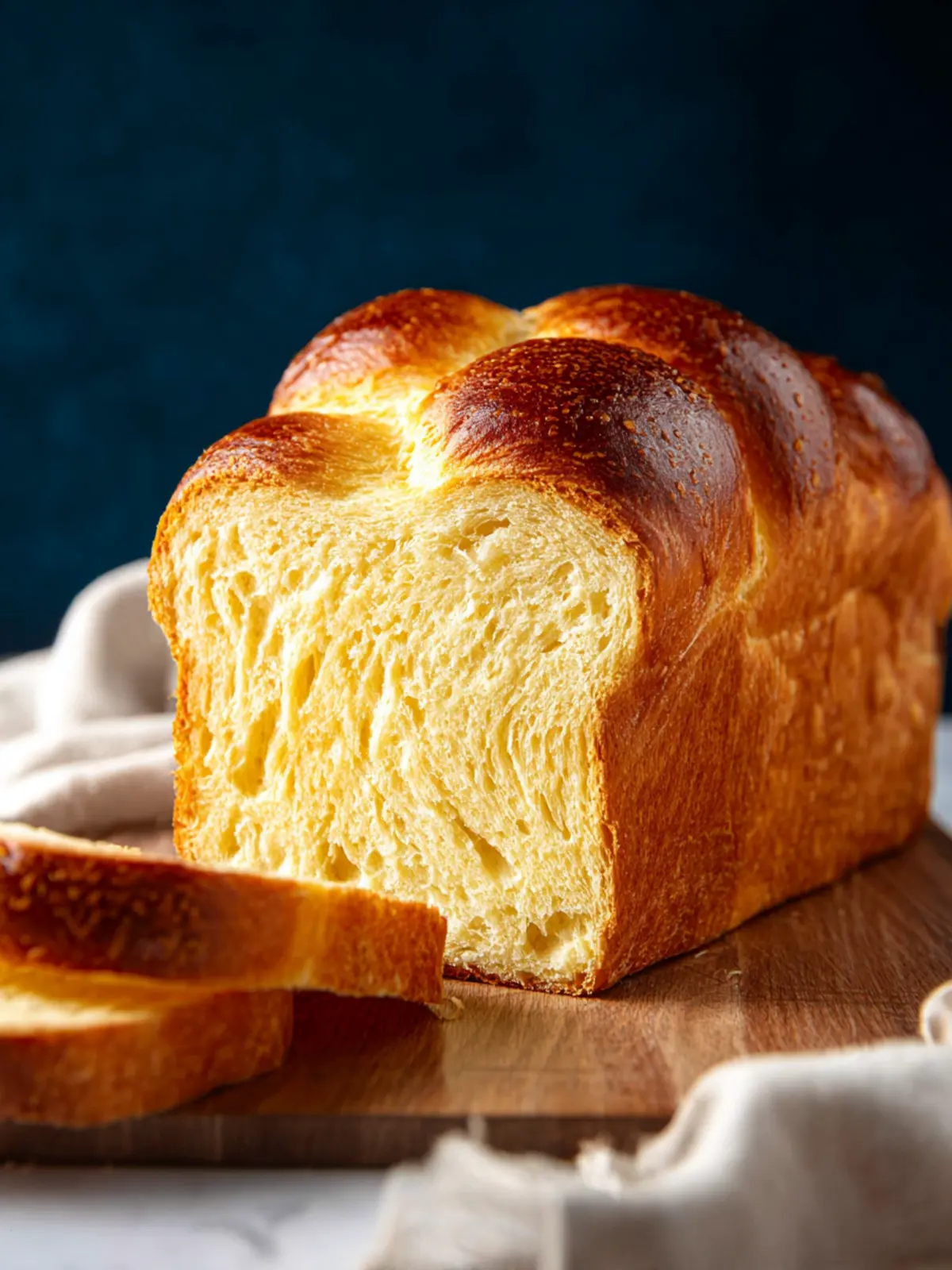
Nutritional Information for Brioche Bread
Understanding the nutrition behind brioche bread can help you make informed choices for your meals. Let’s break it down.
Calories
A typical serving of rich brioche bread contains approximately 200-300 calories. It’s important to remember that its slight sweetness and buttery flavor contribute to the calorie content.
Protein
You’ll find about 6-10 grams of protein in a single slice of brioche bread. While not a high-protein food, it still offers a comforting balance, especially when served with protein-rich toppings like eggs or nut butter.
Sodium
In terms of sodium, a slice of brioche bread has around 300 mg. It’s a good idea to consider this while planning your meals, especially if you’re conscious of your sodium intake.
Enjoy indulging in the delightful texture and flavor of this classic bread while staying mindful of its nutritional aspects!
FAQs about Brioche Bread
Brioche bread is a luxurious and versatile treat that brings warmth to breakfast tables, late-night snacks, and even gourmet burgers. As you explore the delightful world of this soft, buttery bread, you might have some questions. Here are answers to the most common queries you might encounter.
Can I make brioche bread without eggs?
While traditional brioche bread relies heavily on eggs for that rich texture and flavor, you can achieve a similar outcome using alternatives. Consider using a flaxseed meal mixed with water or unsweetened applesauce as a binding agent. However, keep in mind the texture may differ slightly.
How should I store my brioche bread?
To preserve the freshness of your brioche bread, store it in an airtight container or a resealable plastic bag at room temperature for up to two days. For longer shelf life, refrigerating may dry it out. Instead, opt for freezing if you need to keep it for a week or more; just wrap it tightly in plastic wrap and foil.
What can I do if my brioche dough doesn’t rise?
If your brioche dough isn’t rising, check if your yeast is fresh and active. Sometimes, a warm environment can help! Let it ferment in a draft-free area and be patient. You can also try giving it a bit more time, as rich doughs may take longer to rise than standard bread doughs.
Can I freeze brioche bread?
Absolutely! Freezing is a great option to keep your brioche bread fresh. Slice it beforehand for easy thawing. Just make sure to wrap each piece in plastic wrap before placing it in a freezer bag.
What are some serving suggestions for brioche bread?
Brioche bread is incredibly versatile. Slice it for French toast, stack it with your favorite sandwich ingredients, or enjoy it simply buttered with jam. Its rich flavor pairs perfectly with both sweet and savory toppings, making it a great choice for any meal.
Conclusion on Brioche Bread
Baking brioche bread is a delightful journey that yields a rich reward. This soft, buttery loaf is not just a treat for the taste buds; it’s an experience that fills your kitchen with warmth and inviting aromas. Once you’ve mastered this recipe, you’ll appreciate the simple yet high-quality ingredients that come together to create something truly special.
Brioche is versatile, perfect for everything from breakfast French toast to elegant sandwiches. As you slice into your freshly baked loaf, remember that each bite carries the love and care you put into its creation. So don’t hesitate; bring this brioche bread into your regular baking repertoire and enjoy its deliciousness. Happy baking!
Print
Brioche Bread
- Total Time: 3 hours 20 minutes
- Yield: 2 loaves 1x
- Diet: Vegetarian
Description
This delicious brioche bread is soft, buttery, and perfect for breakfast or brunch.
Ingredients
Scale
- 1/2 cup (113g) milk
- 1/4 cup granulated sugar
- 2 teaspoons (6g) instant yeast
- 1 1/4 teaspoons (9g) salt
- 2 teaspoons vanilla extract
- 4 large eggs
- 3 3/4 cups (529g) all-purpose flour
- 1/2 cup (113g) salted butter
- Egg wash (for brushing the dough)
Instructions
- Heat milk for about 45 seconds in a microwave safe bowl until it is between 90℉ and 120℉.
- In a bowl, combine the warm milk, sugar, yeast, vanilla, salt, and 1 cup of the flour. Beat using the paddle attachment until smooth and combined.
- Add the eggs one at a time and mix well after each addition. Add remaining flour, about 1 cup at a time.
- Once all of the flour has been added, start adding the butter about 2 tablespoons at a time while mixing on medium speed. Mix between each addition until the butter is incorporated before adding the next chunk of butter. Once all of the butter has been added, beat for 6-8 minutes. The dough should be very soft and sticky but clear the bottom and sides of the bowl. Stop to scrape the bowl once or twice while mixing.
- Transfer the dough to a lightly oiled bowl, then cover with plastic wrap and let rise at room temperature for 1 1/2 to 2 hours or until doubled in size. Keep in mind that enriched doughs are heavier and take longer to rise, especially if the room temperature is cooler. If your house is around 68℉ or cooler it can take up to 3 hours to double in size. At this point, you can transfer the dough to the fridge to chill overnight, if desired.
- Once the dough has doubled in size, divide it into 6 equal portions and shape into ropes that are about 6-8 inches longer than your bread pan. Braid three of the strands together, then pinch the ends together and tuck the ends under before placing in a buttered 8-inch loaf pan. Cover and let rise until the dough reaches the rim, filling the pan.
- Once the dough has doubled in size, divide it into 4 equal portions and shape into balls. Place two balls of dough side-by-side into each buttered 8-inch loaf pan. Cover and let rise until the dough reaches the rim, filling the pan and creating a 2-humped brioche loaf with a seam in the middle.
- Loosely cover with plastic wrap and let rise again for another 1 1/2 to 2 hours or until puffy and above the rim of the loaf pans. If you chilled the dough in the fridge overnight, this second rise is likely to take more like 3 hours.
- During the last 30 minutes of the rising time, preheat the oven to 350℉ (177℃). Before baking, beat an egg in a small bowl and gently brush it on the top of the loaves with a pastry brush. Sprinkle with Swedish sugar pearls, if desired for a sweet brioche loaf.
- Bake for 30 to 35 minutes or until golden brown on top and an instant digital thermometer reads 190℉ when you test the bread. The bread will also sound hollow when thumped.
- Remove the loaves from the pans immediately after removing them from the oven and let them cool on a wire cooling rack for 1 hour before slicing and serving.
Notes
- If you want to chill the dough overnight, cover it tightly with plastic wrap after it’s risen.
- You can also shape the dough into rolls instead of loaves for individual servings.
- Prep Time: 20 minutes
- Cook Time: 35 minutes
- Category: Breads
- Method: Baking
- Cuisine: French
Nutrition
- Serving Size: 1 slice
- Calories: 200
- Sugar: 4g
- Sodium: 150mg
- Fat: 10g
- Saturated Fat: 6g
- Unsaturated Fat: 2g
- Trans Fat: 0g
- Carbohydrates: 24g
- Fiber: 1g
- Protein: 4g
- Cholesterol: 125mg